
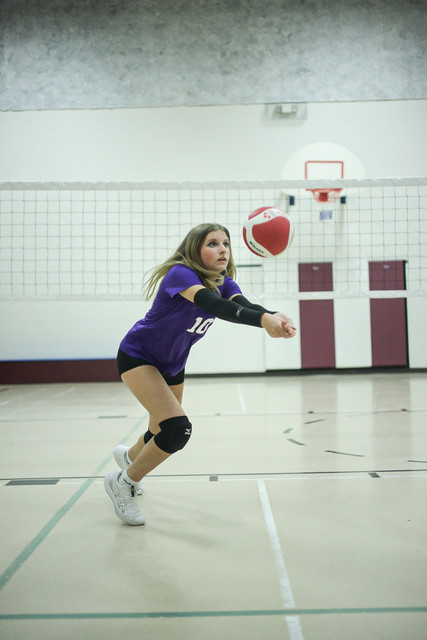
One of the most common frustrations in volleyball is hearing an athlete say, “I was right there—I just couldn’t get to it.” From the sideline, it looks like they were slow. From the athlete’s perspective, it feels like the ball moved faster than expected.
In reality, most defensive breakdowns don’t happen because athletes move too slowly.
They happen because they move too late.
What “Too Late” actually means
Defending late doesn’t mean the athlete reacted slowly after the hit. It means the defender waited until the hit to begin solving the problem. By then, the window is already closing.
When defenders start moving after contact: • their first step is rushed • balance is compromised • movement becomes large and inefficient • desperation replaces control At higher speeds, reacting late is the same as not reacting at all.
Why athletes learn to defend late
Late defense is often taught unintentionally.
Young athletes are commonly coached to: “wait and see” “react to the hit” “don’t guess” While well-intentioned, these cues train hesitation.
Athletes become passive readers. They stay still too long, hoping for certainty instead of acting on probability. The result is movement that’s technically correct—but chronically late.
The hidden fear behind late defense
Many athletes delay movement because they’re afraid of being wrong.
They’ve been corrected for guessing, scolded for biting early, or punished for leaving space behind them. Over time, they learn that it’s safer to react late than to commit early. But volleyball doesn’t reward safety. It rewards early commitment based on good information. ** What early defenders do differently**
Athletes who defend on time don’t wait for certainty—they narrow options early. Before the hit, they’re already processing: • where the setter is • which attackers are available • approach angles and speeds • block positioning They don’t need to be perfect. They just need to be early enough. That head start makes the difference.
How late defense shows up on the court
You’ll often see late defense as: • standing flat-footed until contact • lunging instead of stepping • diving across the body • reaching instead of moving through the ball These aren’t effort problems—they’re timing problems.
How to fix late defense
Fixing late defense starts before movement.
-
Shift the Focus From Reaction to Anticipation Athletes need permission to move before contact. • small adjustments • early weight shifts • reading cues, not guessing outcomes Early movement doesn’t mean overcommitting—it means preparing.
-
Teach Athletes What to Look At Late defenders often don’t know where to get information. • hitter approach angle • shoulder position • setter location • block shape When athletes know what matters, they stop waiting.
-
Normalize Being Early—and Occasionally Wrong Learning to defend early includes learning to recover from mistakes. • early doesn’t always mean correct • correct doesn’t always mean perfect Athletes must feel safe committing early without fear of punishment.
-
Reduce Overemphasis on Diving Diving is a last resort—not a defensive strategy. • reward controlled movement • reinforce balance and readiness • celebrate good positioning, not just saves When defenders stop chasing miracles, they arrive earlier.
What parents often see
Parents may notice athletes who: • work hard • seem close on every play • still miss balls by inches That closeness is actually a clue. The athlete is nearly on time.
With better anticipation, those inches disappear.
The bigger picture
Defense doesn’t start at contact. It starts with information, trust, and early commitment.
When athletes learn to defend earlier: • movement becomes smaller • confidence increases • control improves • the game slows down Fixing late defense doesn’t require faster athletes. It requires earlier decisions.
And once that clicks, everything changes
Coach Luc Tremblay is the Founder and Head Coach of Volleyball Winnipeg. Luc has been coaching volleyball for 30+ years with athletes of all age classes and all abilities. He has developed most of the training techniques used by VISION coaches and is responsible for the coach development program at Volleyball Winnipeg. For more details on our Coach Resources, click here