
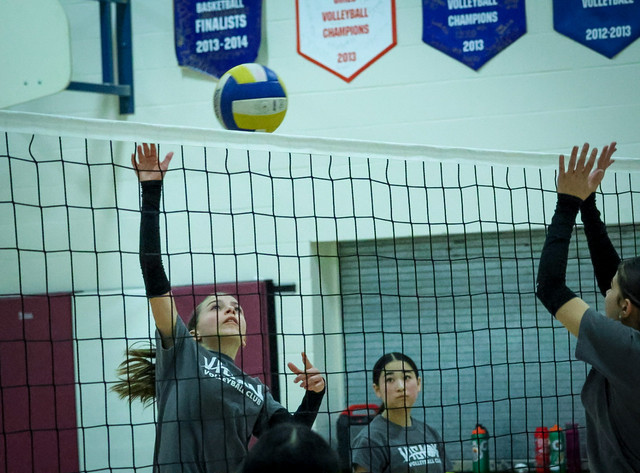
Every season starts with optimism. New teams, fresh goals, and athletes eager to prove themselves. But it’s also the point in the year when bad habits are most likely to take root—often without anyone realizing it. These habits rarely come from laziness or poor coaching. They form because early-season environments reward getting the ball over or making the play work, even if the process isn’t quite right. And once a habit works once, the brain remembers it.
Why bad habits appear so quickly
At the start of the season, athletes are adjusting to: • new teammates • new systems • new coaches and expectations • faster pace and higher pressure In that uncertainty, the body searches for shortcuts.
If a player leans back on a serve and it goes in, that becomes the solution. If swinging early avoids a block once, that timing sticks. If reaching instead of moving works in a drill, the feet stop working.
Early success—even accidental success—can lock in patterns before proper technique has a chance to stabilize.
This is especially true in volleyball, where rallies are short and feedback is immediate. What works now feels right, even if it won’t hold up later.
Why these habits are hard to break later
The longer a habit repeats, the more automatic it becomes.
By mid-season, athletes aren’t choosing movements anymore—they’re reacting. At that point, correcting a habit feels uncomfortable and risky. Performance may dip briefly, which can be frustrating for athletes and parents alike.
That’s why coaches often say: “It’s easier to build a skill than to rebuild one.”
Bad habits don’t just affect mechanics—they affect confidence. Athletes begin to trust the habit instead of the skill, and when pressure increases, those habits are what show up.
How good programs prevent bad habits early
Strong development environments focus on process before outcome, especially early in the season.
That means: • prioritizing movement quality over immediate results • slowing things down before speeding them up • accepting mistakes as part of learning • reinforcing correct patterns even when the rally is lost Early training may look less polished—but it creates athletes who are far more adaptable later.
This approach also requires consistency. When athletes hear the same language, cues, and expectations across sessions, good habits stabilize faster.
The Role of Coaches in habit formation
Coaches set the tone early—often in the first few weeks.
The best coaches: • identify common early-season shortcuts • correct them early, even if performance temporarily drops • explain why the correction matters • stay patient when athletes struggle through change This is where mentorship and coach support matter. Coaches need resources, feedback, and alignment to stay consistent when the easy option would be to let habits slide for short-term success.
What parents should know
If your athlete seems to be “overthinking” early in the season, that’s not a bad sign. It often means they’re learning something new and resisting old shortcuts.
Development is rarely linear. Temporary frustration is often the cost of long-term improvement.
The goal isn’t to look good in October—it’s to be effective, confident, and resilient when competition matters most.
Stopping bad habits before they stick
The solution isn’t more reps—it’s better reps.
That means: • early correction instead of later repair • clear communication and consistent expectations • patience from everyone involved • trust in the process, even when results lag behind When habits are built correctly early, athletes gain freedom later. They play faster, read the game better, and respond to pressure with confidence instead of panic
The bigger picture
Every season tells a story long before the first tournament.
Bad habits form early—but so do great ones.
The difference comes down to intention, consistency, and a shared commitment to long-term development over short-term comfort.
And that choice, made early, shapes the entire season.
Coach Luc Tremblay is the Founder and Head Coach of Volleyball Winnipeg. Luc has been coaching volleyball for 30+ years with athletes of all age classes and all abilities. He has developed most of the training techniques used by VISION coaches and is responsible for the coach development program at Volleyball Winnipeg.