
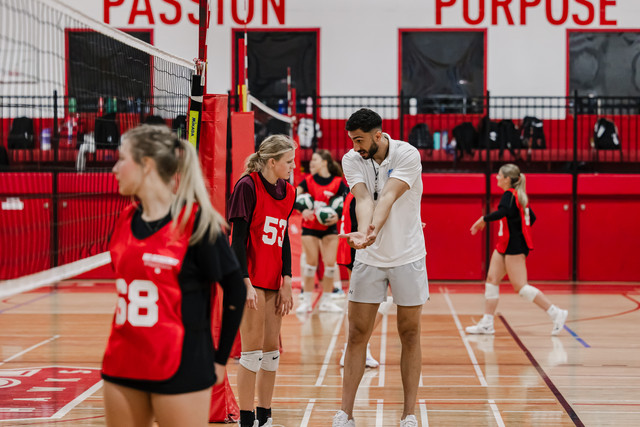
Ask any athlete about their favorite coach, and you’ll rarely hear about winning records or fancy drills. What you’ll hear instead are stories about how that coach made them feel — confident, capable, and seen.
Great coaching isn’t just about strategy or skill development. It’s about connection. And when you listen to athletes, their definition of a 'great coach' is surprisingly consistent — across age, skill level, and even sport.
1. They Communicate Clearly and Honestly
Athletes don’t expect perfection. What they want is honesty and consistency. The best coaches give feedback that’s specific, constructive, and real — not sugar-coated, but never demeaning.
Good communication isn’t just talking; it’s listening. Athletes want to feel heard — that their perspective, effort, and emotions matter. When that happens, trust follows.
Athlete insight: “I always knew where I stood with my coach. Even if it wasn’t what I wanted to hear, it helped me grow.”
- They Build Trust Before They Demand Performance
The strongest teams are built on trust. Athletes perform best when they know their coach believes in them — not just when they’re winning, but when they’re struggling.
Trust means creating a safe space to fail. When mistakes aren’t punished but used as learning opportunities, athletes take more risks, grow faster, and stay more engaged.
Athlete insight: “My coach didn’t bench me for errors — they taught me what to do differently next time. That made me fearless.”
- They Focus on Growth, Not Just Results
Athletes remember coaches who cared about their progress, not just their stats. Great coaches make each player feel like they matter — even if they’re not the top scorer.
They celebrate effort, improvement, and attitude. And over time, that focus on growth builds resilience — a skill that stays with athletes long after the season ends.
Athlete insight: “My coach noticed the little things — like how my serve improved or how I stayed composed after mistakes. That’s what motivated me.”
4.They Model the Behavior They Expect
Athletes watch how their coaches handle pressure. The best ones lead with composure, humility, and accountability — the same traits they want their players to develop.
When a coach admits a mistake, apologizes, or takes ownership, it sets the tone for the entire team. Respect is earned through example, not authority.
Athlete insight: “When my coach stayed calm under pressure, it helped us believe we could too.”
- They See the Whole Athlete
Great coaches care about who their athletes are off the court — their goals, their school life, their confidence. They understand that sports are a vehicle for growth, not the final destination.
That kind of care builds loyalty. It’s why players stay in programs, return year after year, and give their best — because they know their coach genuinely cares.
Athlete insight: “My coach checked in about life, not just volleyball. That made me want to play harder for them.” Why This Matters For clubs in Winnipeg, Calgary, and across Canada, these lessons shape the kind of programs that last. Skills win games, but relationships build teams — and that’s what athletes remember long after the scoreboard is cleared.
Final Whistle
The best coaches don’t just teach technique — they shape people. They turn mistakes into lessons, challenges into opportunities, and teams into families.
At Volleyball Winnipeg and Volleyball Calgary, our coaches do more than run drills — they build character. Learn more about our upcoming camps and leagues here see what great coaching looks like in action.