
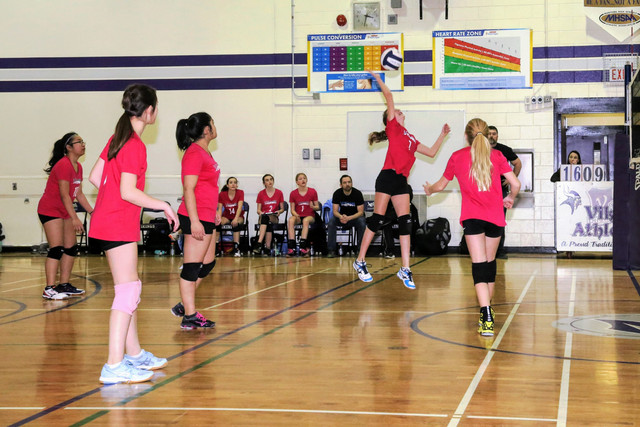
In youth volleyball, hard work is often celebrated. Extra reps, extra sessions, and extra effort are usually seen as signs of commitment and dedication.
But there’s a line where productive training turns into overtraining—and most athletes don’t cross it suddenly. They drift across it slowly, while everyone involved believes they’re doing the right thing.
Understanding the early warning signs matters, because once overtraining takes hold, development doesn’t just stall—it can reverse.
What overtraining actually is
Overtraining isn’t about one tough week or a demanding tournament.
It’s what happens when training stress consistently exceeds an athlete’s ability to recover—physically, mentally, or emotionally.
That imbalance affects:
• skill execution
• decision-making
• motivation
• confidence
• injury risk
And it often shows up long before athletes “burn out.”
Early warning sign #1: Declining consistency
One of the first red flags is inconsistency in skills that were previously stable.
Athletes may:
• miss routine passes
• mistime approaches
• struggle with coordination
• feel “off” without knowing why
This isn’t a loss of ability—it’s a nervous system under strain.
Early warning sign #2: Slower reactions and decisions
Overtrained athletes don’t just move slower—they think slower.
You may notice:
• late reads
• hesitation in familiar situations
• delayed responses under pressure
The brain processes information less efficiently when recovery is insufficient.
Early warning sign #3: Increased frustration or emotional swings
Overtraining affects emotional regulation.
Athletes may:
• get frustrated more easily
• overreact to small mistakes
• lose confidence quickly
• seem unusually quiet or withdrawn
This isn’t a mindset problem—it’s a stress response.
Early warning sign #4: Persistent soreness or “Minor” aches
Not all injuries start with a sudden incident.
Overtraining often shows up as:
• lingering shoulder or knee soreness
• tight hips or backs that don’t resolve
• frequent complaints of being tired or sore
When soreness doesn’t improve with rest, it’s no longer normal training fatigue.
Early warning sign #5: Loss of motivation
Athletes who once enjoyed training may start to:
• dread practices
• disengage during sessions
• talk about quitting or “needing a break”
This is one of the most misunderstood signs. It’s often labeled as laziness or lack of commitment when it’s actually overload.
Early warning sign #6: Increased illness or poor sleep
Overtraining impacts the immune and nervous systems.
Signs include:
• getting sick more often
• difficulty falling or staying asleep
• waking up tired despite enough sleep
These are recovery issues—not discipline issues.
Why overtraining is easy to miss in volleyball
Volleyball overtraining doesn’t always look like physical collapse.
Because the sport is skill-based, athletes can still “perform” for a while—even as underlying fatigue builds.
That delay makes it tempting to push harder instead of adjusting.
Why coaches adjust before these signs appear
Strong programs don’t wait for burnout.
They:
• monitor consistency, not just effort
• adjust volume in-season
• rotate training emphasis
• prioritize recovery alongside skill work
These adjustments aren’t setbacks—they’re safeguards.
What parents should take seriously
If multiple warning signs appear together, it’s time to pause and reassess.
Overtraining doesn’t mean something has gone wrong.
It means something needs to change.
Early adjustment prevents long-term damage.
The bigger picture
Youth volleyball is a long journey.
Athletes don’t lose potential by training less when needed. They lose it by training through signals their bodies and brains are sending.
The goal isn’t to train the most.
It’s to train sustainably.
When overtraining is recognized early, athletes don’t just recover—they come back stronger, sharper, and more confident.
And that’s what lasting development looks like.
Coach Luc Tremblay is the Founder and Head Coach of Volleyball Winnipeg. Luc has been coaching volleyball for 30+ years with athletes of all age classes and all abilities. He has developed most of the training techniques used by VISION coaches and is responsible for the coach development program at Volleyball Winnipeg. For more details on our Coach Resources, click here.
Share with a Friend