
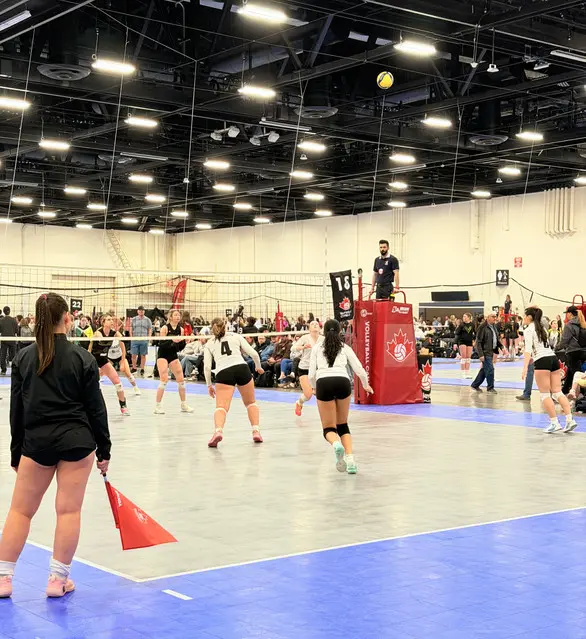
For many young athletes, Nationals is one of the most exciting experiences of the entire year.
The energy is different. The gyms are bigger. The matches feel more intense. The emotions run higher.
There’s excitement, pressure, nerves, exhaustion, adrenaline, and often very little downtime.
For athletes, Nationals can feel like the moment everything matters. For parents, it can feel like a week of early mornings, emotional highs and lows, long days in convention centres, and trying to keep everyone physically and mentally together.
But here’s the important thing:
The teams that handle Nationals best are not always the most talented teams.
They are often the teams that recover well, regulate emotions well, communicate well, adapt well, and manage stress better than everyone else.
That matters more than many people realize.
Nationals Is Physically Demanding
Most people underestimate how exhausting multi-day tournaments actually are.
Athletes are often:
- waking up early
- standing for long periods
- playing multiple matches per day
- eating inconsistently
- sleeping poorly in hotels
- dealing with emotional stress
- competing in overstimulating environments
Research in youth sport consistently shows that fatigue affects reaction time, decision-making, emotional regulation, confidence, and injury risk.
And in volleyball specifically, fatigue often shows up first in communication, movement efficiency, jumping mechanics, and mental focus.
That’s why recovery during Nationals matters just as much as preparation before it.
Sleep Is One of the Biggest Competitive Advantages
Teen athletes generally require around 8 to 10 hours of sleep for optimal recovery and performance.
Yet many athletes get far less during tournaments because of:
- late team dinners
- excitement
- screen time
- hotel distractions
- nerves
- inconsistent schedules
Poor sleep affects reaction speed, emotional control, learning, coordination, and confidence under pressure.
Parents can help by:
- keeping evenings calm
- limiting unnecessary late-night activities
- encouraging hydration earlier in the evening
- reducing screen exposure before bed
- protecting recovery time
Athletes who recover properly often look calmer and more confident by Day 2 and Day 3. That is not accidental.
Hydration and Nutrition
Dehydration does not just affect physical performance. It also affects concentration, mood, energy levels, and decision-making.
Convention centres and large facilities are especially dehydrating environments because athletes spend hours moving between courts, often in warm gyms with dry air.
Athletes should consistently drink fluids throughout the day, especially between matches.
Tournament nutrition does not need to be complicated. The goal is simply steady energy.
Athletes generally perform best when meals include:
- carbohydrates for energy
- protein for recovery
- fluids for hydration
- familiar foods the body already tolerates well
Good between-match options often include:
- fruit
- yogurt
- sandwiches
- wraps
- smoothies
- pretzels
- granola bars
Heavy fast food meals between matches often leave athletes feeling sluggish and tired later in the day.
Pressure Is Normal at Nationals
Many athletes quietly struggle with performance anxiety during major tournaments.
That anxiety can sound like:
- “I can’t make mistakes.”
- “What if I play badly?”
- “Everyone is watching.”
- “I don’t want to let my team down.”
Research in youth sport psychology shows that high-pressure environments can increase fear of failure, unhealthy perfectionism, emotional burnout, and self-worth tied to performance.
The important thing to remember is that nerves are not a sign of weakness. Usually, nerves simply mean the athlete cares.
Even elite athletes experience anxiety before important matches.
The goal is not to eliminate nerves completely. The goal is learning how to perform while nervous.
Parents: The Car Ride Home Matters
After emotional matches, many athletes do not immediately need technical feedback, criticism, or detailed analysis.
Sometimes they simply need:
- food
- rest
- emotional support
- hydration
- space to process
One of the most powerful things a parent can say after a difficult match is:
“I love watching you play.”
Athletes often replay mistakes in their minds long after matches end. The car ride home can either reduce pressure or unintentionally increase it.
Social Media and Comparison
Nationals now exists heavily online.
Athletes constantly see:
- highlight videos
- rankings
- recruiting posts
- celebration photos
- comparisons
For some athletes, this creates pressure to look perfect, appear confident, gain exposure, or compare themselves to others.
But social media rarely shows exhaustion, injuries, nerves, frustration, or self-doubt.
Athletes who stay grounded in effort, growth, teamwork, and learning usually handle tournaments better emotionally than athletes focused entirely on external validation.
Recovery Between Matches
Some teams waste enormous amounts of energy between matches.
The best teams usually recover intentionally.
That often includes:
- sitting when possible
- eating early
- hydrating consistently
- staying emotionally level
- avoiding panic after losses
- mentally resetting before the next match
Emotionally draining matches can sometimes affect teams more than physical fatigue.
The athletes who bounce back fastest mentally often perform best later in tournaments.
Final Thoughts
Nationals is demanding, but it is also special.
The memories athletes build during these events often stay with them for years:
- the teammates
- the travel
- the pressure
- the excitement
- the nervous energy before first serve
For athletes: focus on competing, learning, and staying present.
For parents: help create stability, perspective, and support.
At the end of the weekend, the healthiest and most successful athletes are usually not the ones who avoided pressure altogether.
They are the ones who learned how to handle it.