
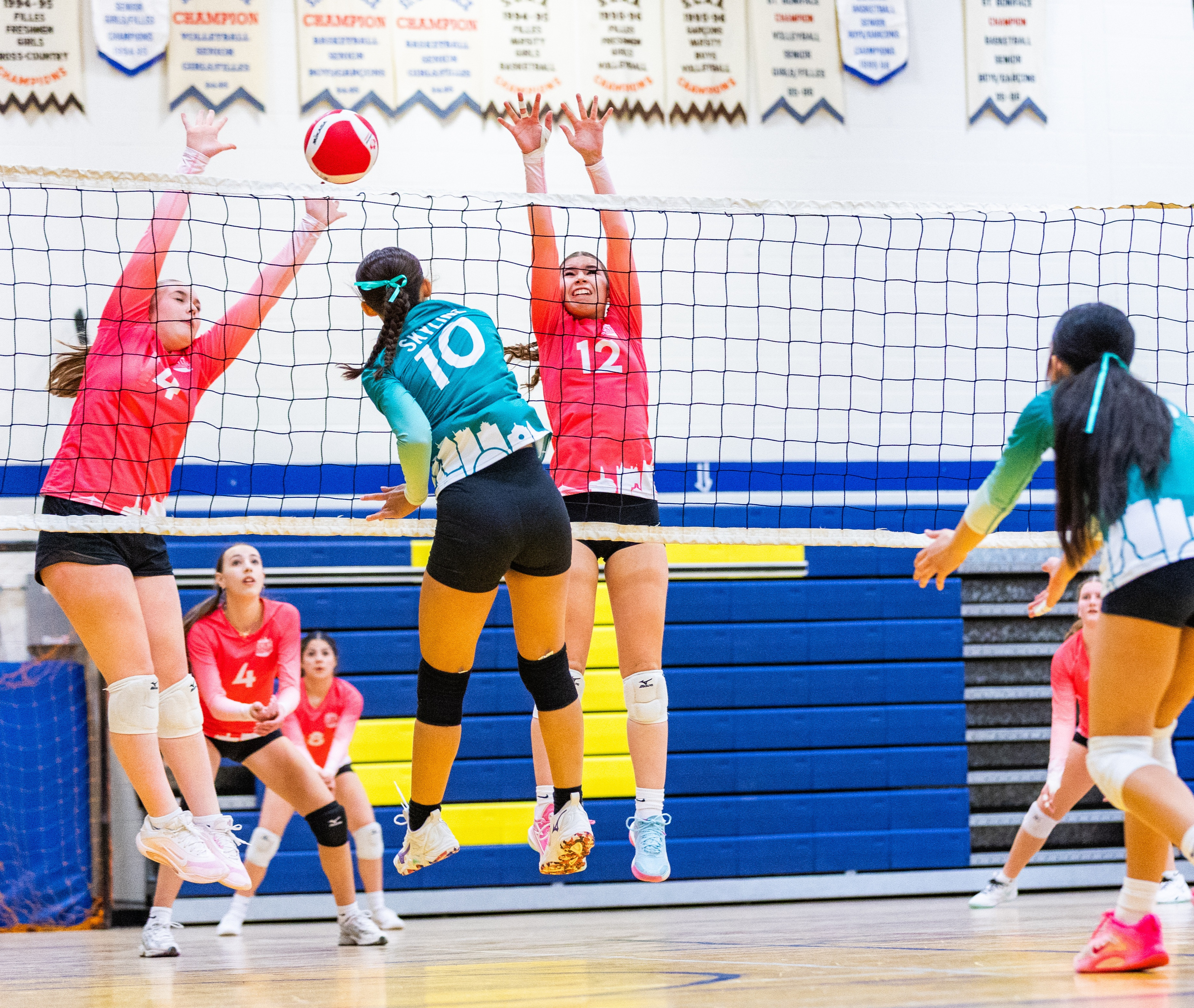
The final point is over.
Some athletes are celebrating. Others are disappointed. Most are simply exhausted.
After months of practices, tournaments, travel, team meetings, strength training sessions, and emotional ups and downs, Nationals marks the end of a long journey.
For many athletes, the first thought is: “I can't wait to take a break.”
For others, it's: “I need to get back in the gym and start preparing for next season.”
Neither response is wrong.
Every year, athletes and parents ask the same question after Nationals:
Should I take some time off, or should I keep training?
The answer is not as simple as many people think.
WHY NATIONALS LEAVES ATHLETES MORE TIRED THAN THEY REALIZE
Most athletes expect to be physically tired after Nationals.
What often surprises them is how mentally exhausted they feel.
Think about everything that happens during a typical club season:
• Practices several times per week
• Weekend tournaments
• Travel
• School responsibilities
• Family commitments
• Pressure to perform
• Competition for playing time
• Social media comparisons
By the time Nationals arrives, many athletes have been operating at a high level of stress for months.
Every match feels important. Every mistake feels bigger. Every win feels more exciting. Every loss feels more emotional.
That emotional load can be just as tiring as the physical demands of competition.
THE MYTH THAT TAKING A BREAK MEANS FALLING BEHIND
One of the biggest fears young athletes have is falling behind.
They worry that if they take a week off, another athlete will pass them or they will lose momentum.
Sports science repeatedly shows that recovery is an essential part of athletic development.
Athletes improve because their bodies adapt to training. Adaptation happens during recovery.
Without recovery:
• Performance declines
• Motivation drops
• Injury risk increases
• Burnout becomes more likely
Taking a short break is not weakness. It is often one of the smartest things an athlete can do.
WHAT IF YOU'RE STILL MOTIVATED?
Not every athlete finishes Nationals exhausted.
Some finish feeling inspired.
Maybe they discovered a weakness they want to improve. Maybe they watched a top team and thought, “I want to be that player next year.”
That motivation can be incredibly valuable.
The smartest athletes often spend the first few weeks after Nationals reflecting, setting goals, recovering physically, and evaluating strengths and weaknesses before returning to focused training.
SUMMER IS WHERE MAJOR IMPROVEMENTS HAPPEN
Athletes often improve more during the summer than during club season.
During the season, coaches focus on team systems, match preparation, and tournament performance.
During the off-season, athletes can focus on themselves.
That means more time for:
• Serving
• Passing
• Attacking mechanics
• Strength development
• Volleyball IQ
• Injury prevention
This is why athletes who use the summer wisely often make huge jumps before tryouts begin again.
PARENTS: MORE TRAINING ISN'T ALWAYS BETTER
Parents naturally want to help their athletes improve.
But athletes still need time to relax, spend time with friends, go on family vacations, and recharge mentally.
Long-term development is not built through constant pressure.
It is built through consistency over many years.
FINAL THOUGHTS
The choice between taking a break and continuing to train is not an either-or decision.
The best athletes usually do both.
They recover. They reflect. They reset. Then they return with a plan.
Nationals may mark the end of a season, but it is also the beginning of the next stage of development.
Because the athletes who thrive year after year are rarely the ones who train the most.
They are usually the ones who recover the smartest.