
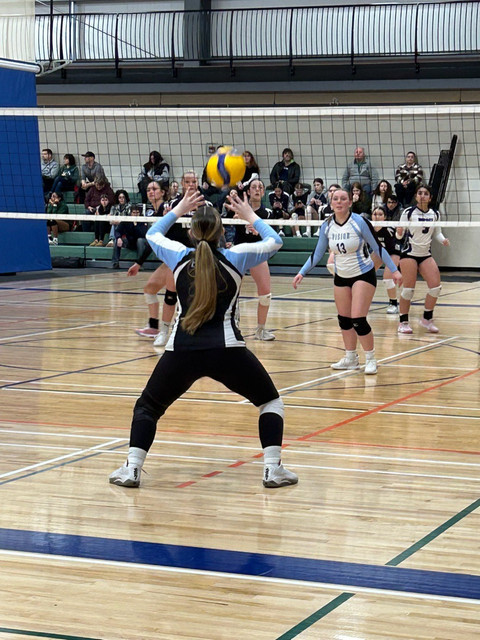
Few topics create more debate in youth volleyball than offensive systems. Parents hear terms like 5–1 and 6–2 and naturally assume one must be “better,” more competitive, or more advanced.
The truth is simpler—and more nuanced.
Neither system is inherently superior. Each offers different benefits, and each presents different challenges, especially for developing athletes.
Understanding why a system is used matters far more than which one is chosen.
What offensive systems are meant to do
At their core, offensive systems exist to: • organize who sets the ball • balance attacking options • create consistency for hitters • simplify decision-making under pressure They are tools—not status symbols.
When systems are chosen thoughtfully, they support development. When chosen for the wrong reasons, they can quietly limit it.
The 5-1 System: One setter, one voice
In a 5–1, one setter runs the offense in all six rotations.
What it offers developing athletes: • consistent tempo and decision-making • clear leadership on the court • stable hitter-setter relationships
This consistency can help teams settle into rhythm more easily, especially as competition increases.
Common challenges in a 5–1: • heavy responsibility on one athlete • fewer setting reps for others • pressure on young setters to manage everything
For developing setters, this can accelerate learning—but it can also overwhelm if expectations aren’t adjusted.
The 6-2 System: Shared responsibility
In a 6–2, two setters share the role, setting only when they are in the back row.
What it offers developing athletes: • more athletes learning to set • greater offensive balance early • flexibility when players are still growing into roles
This system often works well for younger age groups or teams still discovering positional strengths.
Common challenges in a 6–2: • less consistency in tempo • more transitions to manage • greater need for communication
If not taught clearly, it can feel chaotic rather than supportive.
Why system choice impacts development
The system you play shapes what athletes practice.
A 5–1 tends to: • deepen one athlete’s setting skills • emphasize offensive timing • reduce cognitive load for hitters
A 6–2 tends to: • broaden skill exposure • delay specialization • encourage adaptability
Neither approach is wrong—but they develop different qualities.
The biggest mistake programs make
The most common mistake isn’t choosing the “wrong” system.
It’s choosing a system to win now without considering: • athlete maturity • positional depth • learning capacity • long-term growth When systems are selected purely for short-term success, athletes may perform—but they don’t always develop.
What Parents often notice
Parents may see: • smoother offense in a 5–1 • more involvement from multiple players in a 6–2 • confusion when systems change year to year
Those changes are often intentional—not random.
As athletes grow, their needs change. Systems should evolve with them.
How strong programs use both systems
Well-designed development pathways don’t commit to one system forever. They: • introduce systems gradually • explain why changes are made • prioritize understanding over memorization • focus on transferable skills
Athletes who understand systems—not just their roles within them—adapt faster at higher levels.
The bigger picture
Offensive systems don’t develop athletes.
Coaching within systems does. When athletes understand: • what their system is designed to do • how their role supports the group • why adjustments are made they stop worrying about labels—and start playing with confidence.
The best system for developing athletes is the one that: • challenges them appropriately • protects long-term growth • leaves doors open instead of closing them
That’s how systems become tools—not limits.
Coach Luc Tremblay is the Founder and Head Coach of Volleyball Winnipeg. Luc has been coaching volleyball for 30+ years with athletes of all age classes and all abilities. He has developed most of the training techniques used by VISION coaches and is responsible for the coach development program at Volleyball Winnipeg. For more details on our Coach Resources, click here