
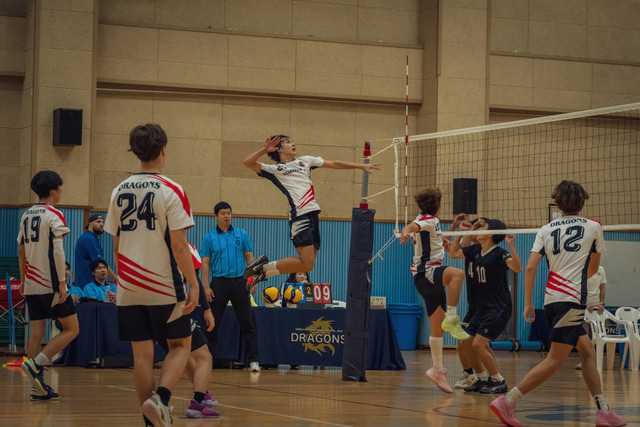
When the season starts, it’s natural to think that progress comes from doing more: more reps, more sessions, more hours in the gym. After all, effort is often equated with improvement.
But in-season training plays by different rules.
What helps athletes grow in the off-season can quietly work against them once matches, travel, and pressure enter the picture. During the season, more doesn’t usually make athletes better—it often makes them tired, inconsistent, and mentally overloaded.
Why the “More is better” mindset persists
The belief that more training equals more improvement comes from good intentions:
• athletes want to feel prepared
• parents want to support development
• coaches want to maximize limited time
Early in the year, added volume can even produce short-term gains. Athletes feel sharper, fitter, and more confident.
But those gains don’t last if the workload isn’t adjusted.
What changes once the season starts
In-season athletes are no longer training in a vacuum.
They’re managing:
• matches and tournaments
• emotional highs and lows
• school and travel fatigue
• cumulative physical stress
Every training session now stacks on top of competition. If that load isn’t managed carefully, fatigue starts to outpace adaptation.
That’s when performance dips—not because athletes stopped working hard, but because their bodies and brains stopped absorbing the work.
How too much training shows up on the court
Overtraining in season rarely looks dramatic at first. It shows up quietly:
• slower reaction times
• inconsistent execution
• loss of focus late in matches
• increased soreness or minor injuries
• frustration with skills that “used to work”
Athletes often blame themselves. In reality, the system hasn’t adjusted to the season’s demands.
Why Quality beats quantity in season
In-season training should support competition—not compete with it.
That means:
• fewer reps, done with intention
• clearer focus on specific skills
• more attention to recovery and readiness
• practices that sharpen, not exhaust
Athletes don’t need to rebuild skills mid-season. They need to stabilize them under pressure.
The role of fatigue in skill breakdown
Fatigue doesn’t just affect muscles—it affects decision-making.
When athletes are tired:
• reads come later
• communication drops
• habits resurface
• confidence erodes
Adding more volume at that point often reinforces bad habits instead of fixing them.
What smart in-season training looks like
Strong programs adjust once competition begins.
They:
• reduce overall volume
• maintain intensity without overload
• prioritize decision-making over repetition
• allow space for recovery
• accept that holding form is progress
In season, staying consistent is a win.
What parents often worry about
Parents may worry that fewer reps mean falling behind.
But development doesn’t disappear during the season—it just shifts.
In-season growth looks like:
• better reads
• smarter decisions
• improved communication
• greater composure under pressure
Those gains don’t come from doing more—they come from doing enough, well.
The bigger picture
The goal of in-season training isn’t to push limits. It’s to protect performance.
Athletes don’t lose development by training less during the season. They lose it when fatigue overwhelms learning. When volume is managed, skills hold up, confidence stays intact, and athletes finish the season stronger—not burned out.
More feels productive.
But in season, better is what actually works.
Coach Luc Tremblay is the Founder and Head Coach of Volleyball Winnipeg. Luc has been coaching volleyball for 30+ years with athletes of all age classes and all abilities. He has developed most of the training techniques used by VISION coaches and is responsible for the coach development program at Volleyball Winnipeg. For more details on our Coach Resources, click here.
Share with a Friend