
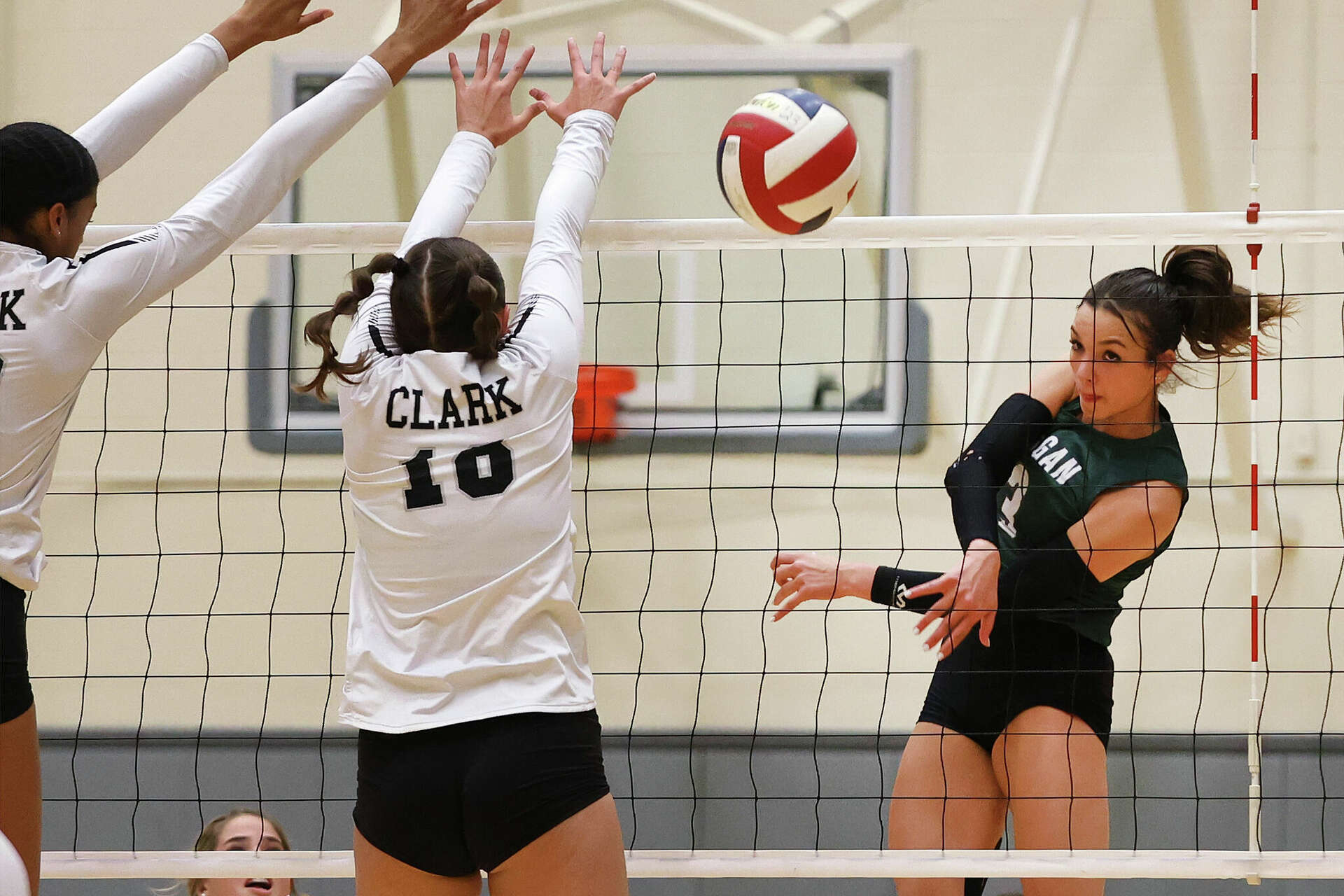
Why Flexibility Across Positions Is the New Competitive Advantage. In today's fast-evolving game, volleyball is no longer a sport where athletes can afford to master just one role. Coaches at all levels — from club to collegiate — are prioritizing positional versatility more than ever. It's not about being average at everything. It's about becoming valuable across the board. An athlete who can step in as a backup setter, hold their own in serve receive, or defend the back row when rotations shift becomes more than just a player — they become a problem-solver.
Why Versatility Matters Now More Than Ever
At every level — club, high school, college, national teams — coaches are looking for players who can adapt.
Here's why versatility is rising:
-
Injuries happen. Teams need backups who aren't just filling a jersey — they need players who can actually perform.
-
Tactical adjustments matter. Coaches may change systems mid-season or even mid-game — players who can adjust fast are incredibly valuable.
-
Smaller rosters, bigger roles. Travel squads and tournament teams often bring fewer players. Versatile athletes get more playing time.
-
Recruiters notice. Coaches aren't just looking for height or raw power anymore — they look for game IQ, flexibility, and coachability.
Being stuck in only one role? It's a liability, not an advantage.
Skills Every Volleyball Player Should Develop
You don't have to master every skill — but you need to be functional across the board.
Smart players are working on:
-
Serving under pressure (float, jump float, or jump serve)
-
Passing with control (platform precision)
-
Defending seams and tips
-
Setting out-of-system balls
-
Reading hitters and anticipating plays
-
Transition footwork for offense and defense
The players who think fast — and fill gaps fast — are the ones who stay on the court longest.
How to Train Positional Versatility
-
Get reps in unfamiliar roles: Spend some practice time passing if you're a hitter. Dig if you're a middle. Set if you're a libero.
-
Ask questions: When watching other players, ask yourself, 'If I had to step into their spot right now, what would I need to do?'
-
Train decision-making, not just drills: Small-sided games (2v2, 3v3) force everyone to touch the ball, cover more space, and think quicker.
-
Stay humble: Versatility requires being coachable, uncomfortable, and willing to look 'bad' sometimes. That's part of growth.
The Bigger Picture
Volleyball is a fast, fluid, constantly adapting game. The players who survive — and thrive — at higher levels aren't just specialists. They're athletes who understand movement, spacing, pressure, and team needs beyond their comfort zone.
Positional versatility isn't extra work. It's career insurance.